Sunday, 12 April 2026 — Struggle / La Lucha
A senior U.S. official told CBS News on April 11 that Washington had not agreed to release any frozen Iranian assets. That directly contradicted a Reuters report quoting a senior Iranian source who said a deal had been reached.
This was not just a mix-up. It showed how firmly Washington is still holding to sanctions as a weapon of pressure. The Islamabad talks broke up without a deal, with the U.S. side departing after presenting what it called a final offer, while Iran indicated further talks may follow.
Iran entered the Islamabad meeting with two demands: stop the attacks on Lebanon and return its frozen funds. Neither had been met.
At the center of the dispute is about $6 billion in Iranian money held in Qatari banks under U.S. sanctions. Estimates of Iran’s frozen assets globally run to more than $100 billion, though the exact figure is unclear. These are not neutral financial controls. They are part of the machinery of economic war.
Iran’s central bank governor was part of the delegation. That made clear the asset question was one of the main issues at the table.
Qatar holds the funds under U.S. control
The money sits in Qatari banks but cannot be released without U.S. approval.
At the same time, Doha has tried to limit the damage from the war. After Iranian strikes hit Qatari LNG infrastructure, exports and shipping routes came under pressure.
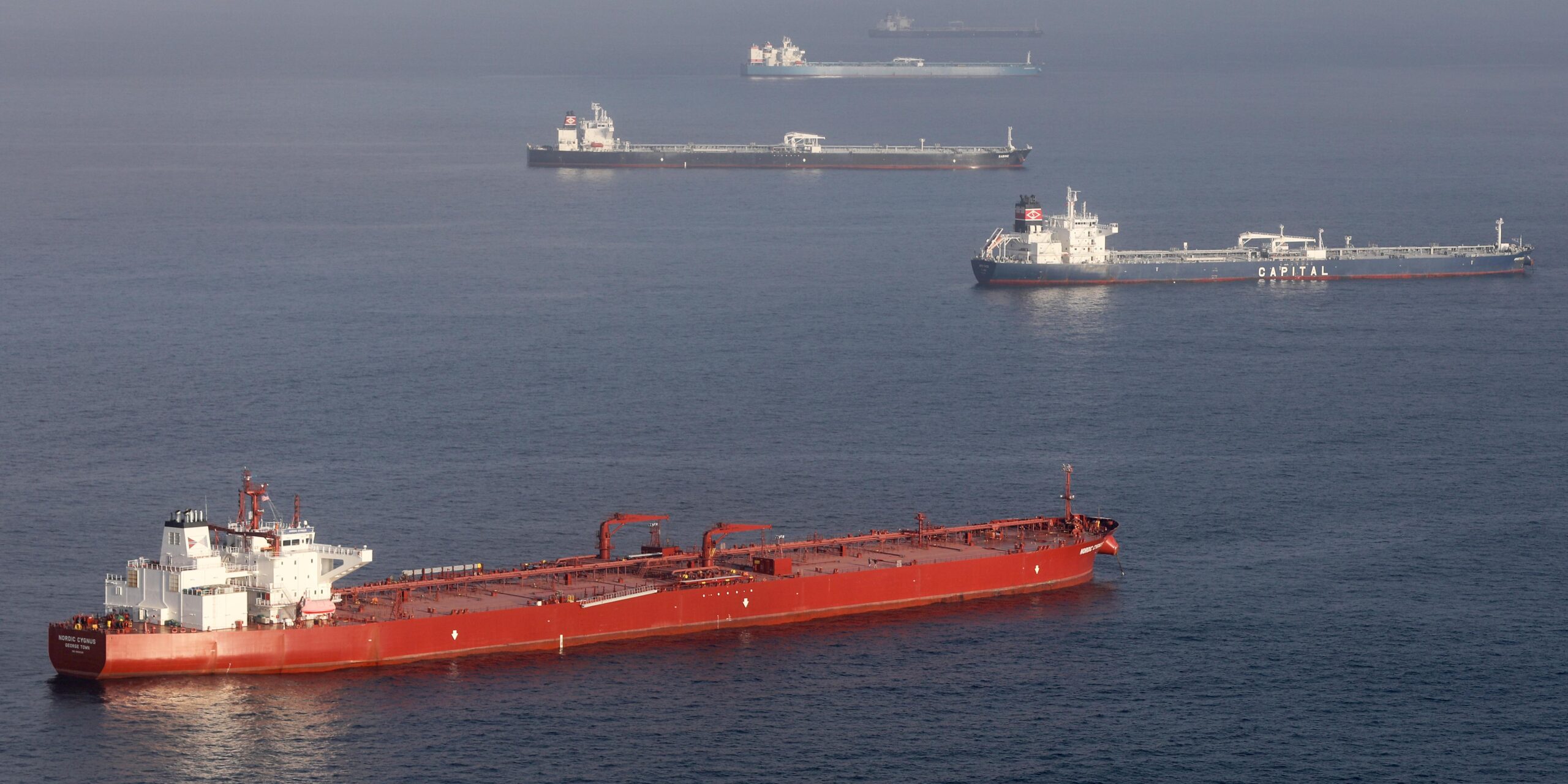
On April 11, Washington also escalated militarily, sending two warships through the strait and saying it had begun setting conditions for mine-clearing operations.
A partial release of funds would have done more than move money. It would have shown that U.S. sanctions are not untouchable and can be forced backward under pressure.
That is what Washington was determined to prevent.
Why Washington said no
The U.S. denial came quickly and without qualification. That showed how fast Washington moved to defend sanctions as a central instrument of pressure.
Sanctions, asset freezes and state seizures are central tools of U.S. financial warfare. They have been maintained across administrations as part of a system used to impose U.S. control over trade, finance and state policy abroad.
Releasing funds under pressure would have meant more than making a concession at the table. That is the barrier the talks ran into. Washington did not refuse because sanctions can never be rolled back. It refused because the U.S. ruling class does not want to yield them under pressure.
That matters beyond these talks. Around the world, people are organizing to end sanctions because they punish whole populations and defend imperialist domination. The U.S. refusal in Islamabad did not show that such demands are pointless. It showed what they are up against. Sanctions can be ended, but only through struggle strong enough to force that result.
A ceasefire that resolves nothing
Iran limited the Islamabad meeting to a single day. That reflected the same reality.
The two-week ceasefire has paused some military operations, but the main issues remain. Iran’s demands have not been met.
The Strait of Hormuz remains contested, and traffic is still far below normal levels as Washington moves to reopen the route by force and Iran rejects U.S. claims that the passage has been secured.
The ceasefire gives Washington time while leaving the central political conflict in place. It creates the appearance of diplomacy without changing the underlying balance of power.
What the talks reveal
The damage is already spreading. Physical oil prices have pulled away from paper benchmarks. Fuel shortages are beginning to affect transport and costs.
But the central issue is not a lack of talks.
Iran is demanding the return of seized wealth and relief from economic pressure. Washington resists that because it relies on sanctions as a central tool of imperialist control.
The war has already shown that reopening the strait will not be a simple matter of U.S. command, which is why Washington is now pairing diplomacy with open military moves in the waterway.
Join the Struggle-La Lucha Telegram channel

 The New Dark Age
Leave a comment