Thursday, 5 November 2026 — Struggle / La Lucha
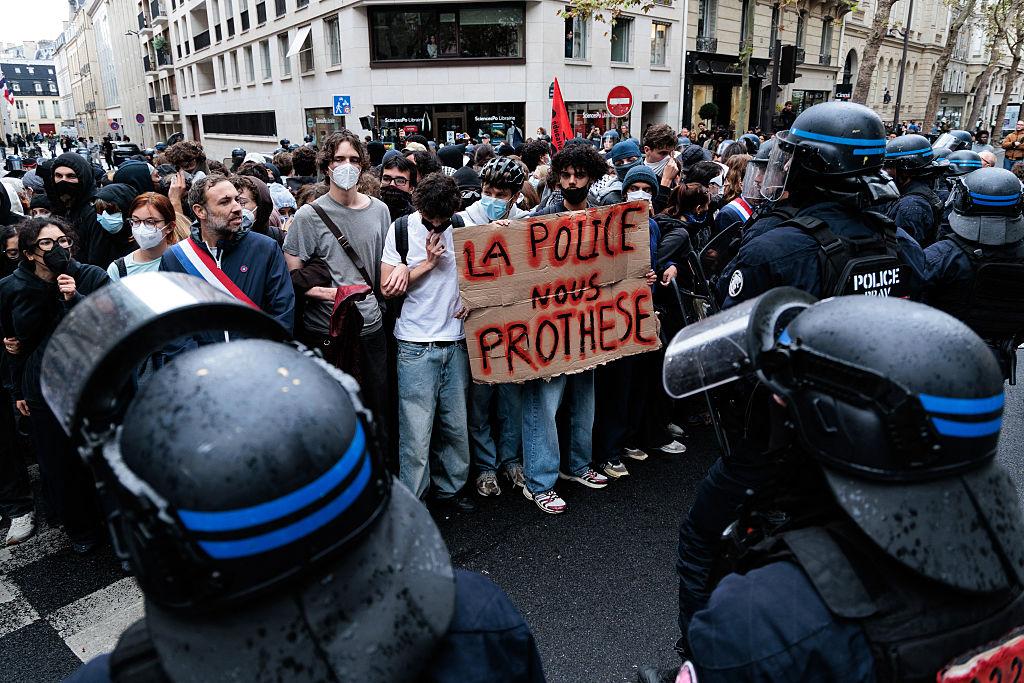
From high school blockades to a national strike, workers in France are on the move. The government they face is one of the European governments that handed Europe over to the United States gas monopolies and lined up behind the United States war on Iran.
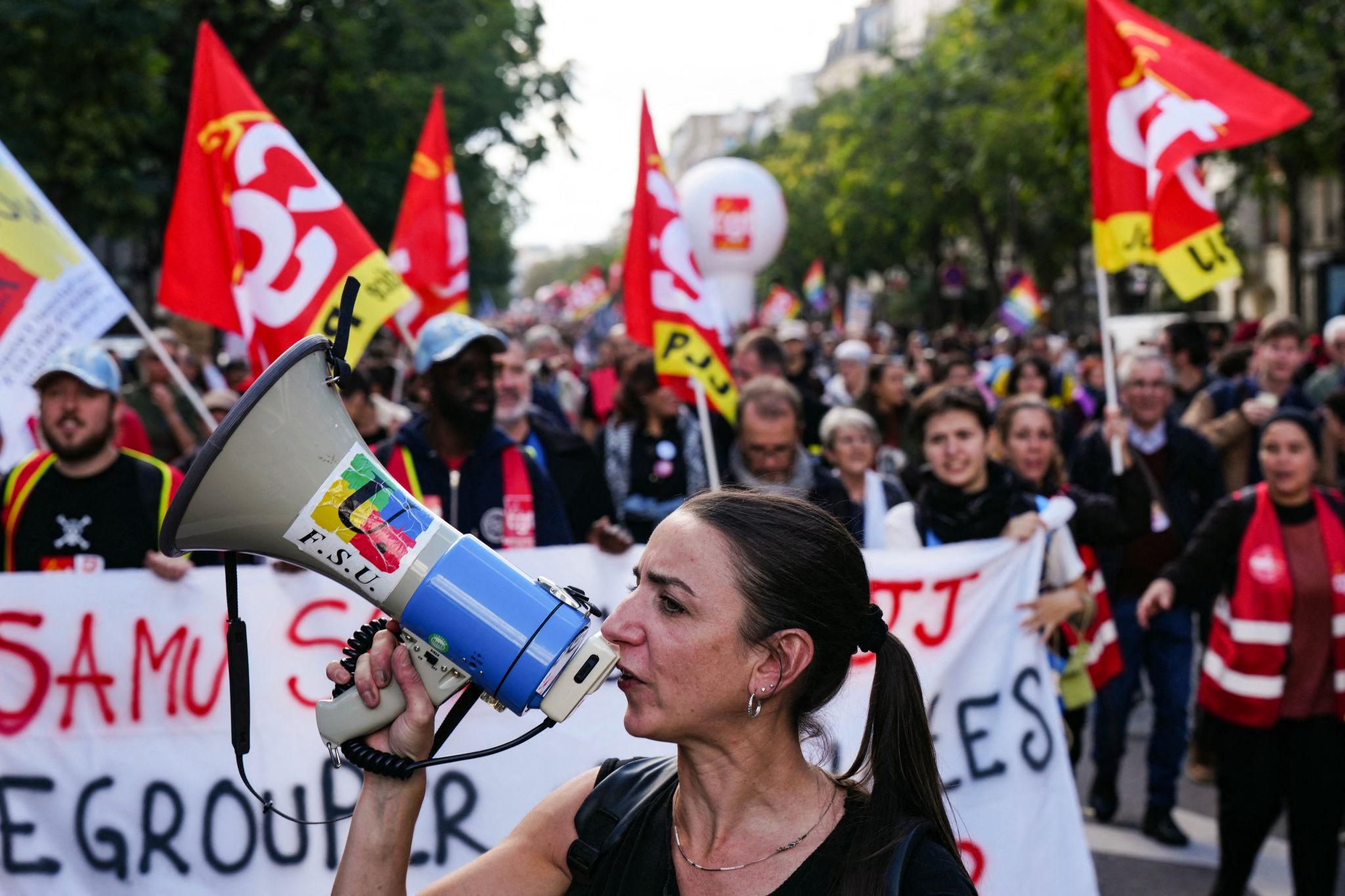
Workers across France walk off the job on Nov. 5. Five union organizations — the CFDT, CGT, FO, Unsa and FSU — called the strike for wages, pensions and public services and against 54 billion euros in planned budget cuts. The CGT has called for a general strike starting that day, with workers’ assemblies in every workplace to decide whether to keep it going. The rail unions have joined the call.
The strike grows out of a revolt that began in the schools. In late September, high school students in Seine-Saint-Denis, a working-class suburb north of Paris with many African and Arab families, blockaded their schools. The blockades spread to more than 700 schools across France.
On Oct. 17, unions, farmers, retirees and former Yellow Vests — veterans of the 2018 revolt against fuel taxes — joined the students in marches across the country against the cost of living. The organizers and the CGT counted 800,000.
The police answered with grenades. On Oct. 5, a police stun grenade had blown off a 15-year-old’s hand at a protest in northern France. On Oct. 17, police maimed another marcher the same way. The marchers came back. On Oct. 24, the CGT again counted about 800,000. The far right has tried to turn the youth revolt into a fight over immigration and Islam.
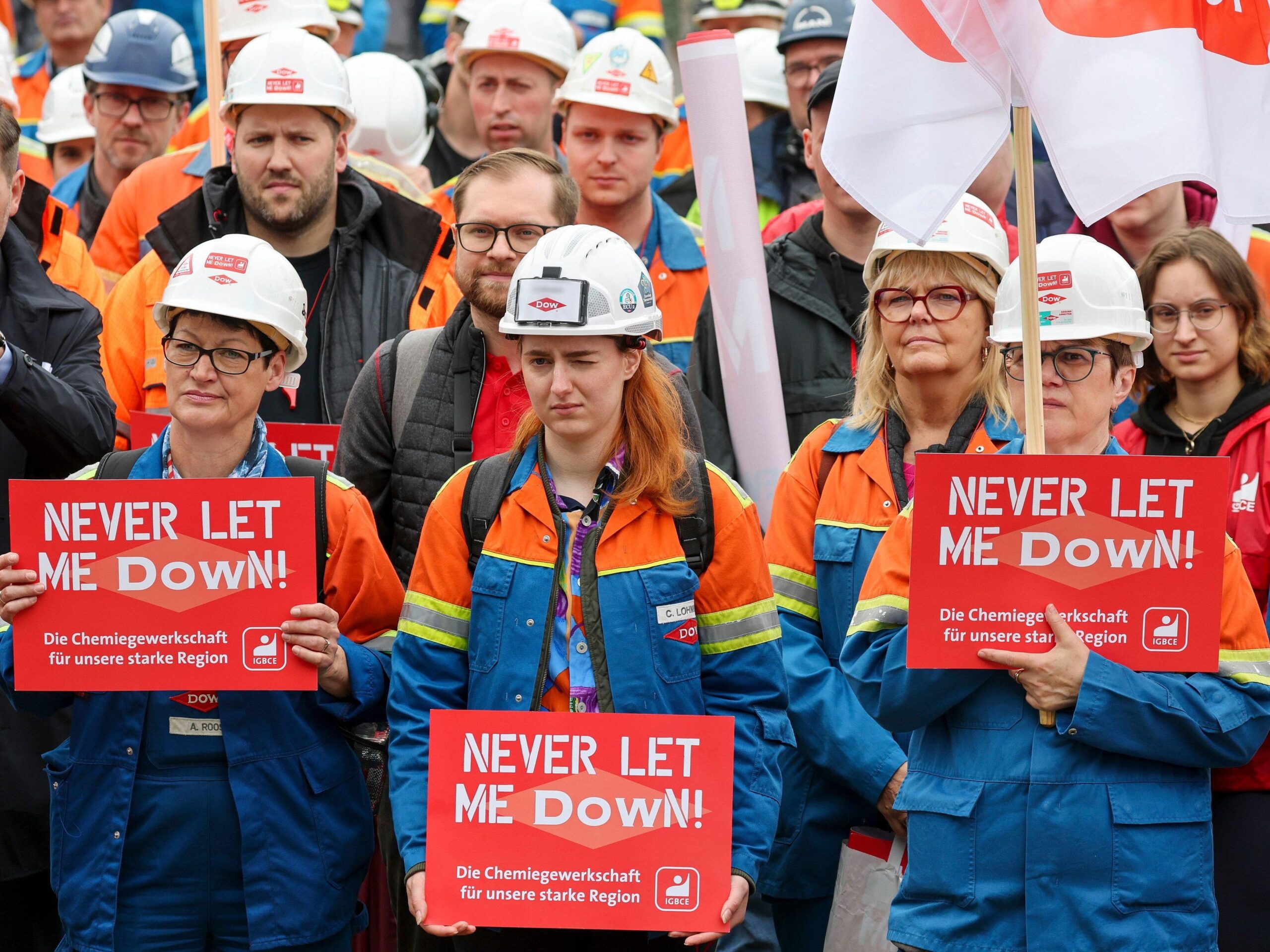
France is not alone. A group that tracks protests worldwide counted more than 3,600 demonstrations across Europe in less than three weeks of October, from Belgium and Italy to Portugal and Albania. In Germany, chemical workers are fighting plant closures. In May 2025, 700 workers marched in eastern Germany against plans by the United States chemical giant Dow to shut plants there. This year their union, IG BCE, rejected the employers’ demand for a wage freeze for 585,000 chemical workers.
Who is cashing in
The war has been a windfall for the energy monopolies. Britain’s Shell nearly doubled its profits in the third quarter. France’s TotalEnergies more than doubled its gas profits in three months and announced $5 billion in stock buybacks for its shareholders.
The biggest winners are the United States gas monopolies. Most people in the United States think Europe cut off Russian gas years ago. It didn’t. European companies kept buying it. Now the European Union is outlawing it step by step. The ban on Russian gas shipped by tanker takes full effect Jan. 1, and the last Russian pipeline gas is due to be cut off by the fall of 2027.
The gas taking its place comes by tanker from Louisiana and Texas, under contracts that run for 20 years. Nearly two-thirds of the gas arriving in Europe by tanker now comes from the United States. The European Commission calls this energy independence. In fact it ties Europe more tightly than ever to the United States, which already commands Europe’s armies through NATO.
Four decades of pressure
The United States government worked for this for more than four decades. In 1982, the Reagan administration put sanctions on European companies building a Soviet gas pipeline to Western Europe, lifting them only after European governments ordered their companies to defy them.
On Feb. 7, 2022, with Germany’s chancellor standing beside him, President Joe Biden promised that the United States would “bring an end” to the new Nord Stream 2 pipeline from Russia to Germany. Less than three weeks later, Russia launched its Special Military Operation against NATO expansion into Ukraine. That September, explosions destroyed the Nord Stream pipelines under the Baltic Sea.
Trump has used threats. In July 2025, he threatened to tax every European product sold in the United States at 30%. The European Commission bought him off. It accepted a 15% tax instead and promised to buy $750 billion worth of United States oil, gas and nuclear fuel.
Then came the United States war on Iran, launched with Israel on Feb. 28, 2026, a war for control of the world’s energy. Iran answered by holding the Strait of Hormuz, the narrow sea passage out of the Persian Gulf. Gas from Qatar, one of Europe’s main suppliers, all but stopped, and the United States gas monopolies took much of its market at war prices. Gas prices in Europe have more than doubled.
On Oct. 1, the Trump administration demanded that European governments open their emergency diesel stocks to bring down prices in the United States. Trump threatened to cut off United States diesel exports to Europe if they refused. The next day he announced that Europe had given in.
Trump’s ambassador to Greece, Kimberly Guilfoyle, spent 2026 selling United States gas across southeastern Europe. Romania, which produces its own gas, refused to buy much more, and its government was coming apart over the dispute. At an embassy dinner in Athens on March 18, Guilfoyle told Greece’s energy minister, “We can do that to any country we want. We can do that here,” according to The Wall Street Journal. Her lawyer disputed the account. Romania’s government fell on May 5. No evidence has come out that the United States organized the vote, but the threat was plain.
Second place
Europe’s own monopolies are not innocent bystanders. They are imperialists too, with banks and investments across Africa, Asia and Latin America. They accept United States command because the United States war machine also guards their profits abroad. They stand together with the United States monopolies against Russia and against the workers. They fight each other over markets, prices and factories.
On Jan. 1, the European Commission will hail the end of Russian tanker gas as a step toward independence. The tankers from Louisiana and Texas will keep coming, at prices driven by the United States war on Iran. The governments that tied Europe to those tankers now face the workers — in the schools, in the streets and, on Nov. 5, in the workplaces.
Join the Struggle-La Lucha Telegram channel


Leave a Reply