5 August 2020 — National Security Archive
A Collection of Primary Sources
Updated National Security Archive Posting Marks 75th Anniversary of the Atomic Bombings of Japan and the End of World War II
Extensive Compilation of Primary Source Documents Explores Manhattan Project, Eisenhower’s Early Misgivings about First Nuclear Use, Curtis LeMay and the Firebombing of Tokyo, Debates over Japanese Surrender Terms, Atomic Targeting Decisions, and Lagging Awareness of Radiation Effects
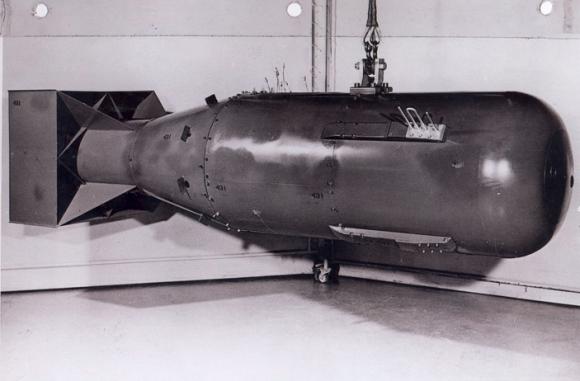 Washington, D.C., August 4, 2020 – To mark the 75th anniversary of the atomic bombings of Hiroshima and Nagasaki in August 1945, the National Security Archive is updating and reposting one of its most popular e-books of the past 25 years.
While U.S. leaders hailed the bombings at the time and for many years afterwards for bringing the Pacific war to an end and saving untold thousands of American lives, that interpretation has since been seriously challenged. Moreover, ethical questions have shrouded the bombings which caused terrible human losses and in succeeding decades fed a nuclear arms race with the Soviet Union and now Russia and others.
Three-quarters of a century on, Hiroshima and Nagasaki remain emblematic of the dangers and human costs of warfare, specifically the use of nuclear weapons. Since these issues will be subjects of hot debate for many more years, the Archive has once again refreshed its compilation of declassified U.S. government documents and translated Japanese records that first appeared on these pages in 2005.
READ THE ARTICLE
THE NATIONAL SECURITY ARCHIVE is an independent non-governmental research institute and library located at The George Washington University in Washington, D.C. The Archive collects and publishes declassified documents acquired through the Freedom of Information Act (FOIA). A tax-exempt public charity, the Archive receives no U.S. government funding; its budget is supported by publication royalties and donations from foundations and individuals.


 The New Dark Age
Leave a comment