US-Iran talks have ended in complete collapse and reports are that war is imminent. Trump is threatening a full-scale naval blockade and Danny Haiphong will break down the latest after just arriving in China for a mega trip covering the latest in this historic war and the global shift that’s come from it.
Strait of Hormuz — Oil tankers sit idle as the war disrupts traffic through the strait and Washington refuses to release billions in frozen Iranian funds held under U.S. sanctions.
A senior U.S. official told CBS News on April 11 that Washington had not agreed to release any frozen Iranian assets. That directly contradicted a Reuters report quoting a senior Iranian source who said a deal had been reached.
US “negotiations” with Iran failed primarily because US terms were illegal under international law and simply coercion dressed up as “negotiations;”
US Vice President JD Vance’s role in the failed talks and his public threats against Iran afterward confirm his ardent support for US aggression evident even during 2024 presidential campaigning;
US war with Iran is part of continuity of agenda, driven by US-based corporate interests transcending presidential administrations regardless of rhetoric or supposed political affiliations with the Biden administration carrying out policy without which the current war could not have been launched;
Beyond the Middle East the US is attacking, undermining, and toppling nations producing and shipping oil and gas to China with the ultimate goal of blockading, undermining, containing, and even collapsing China itself;
The Trump administration is even floating the idea of a blockade on Iran meant specifically to place pressure on China;
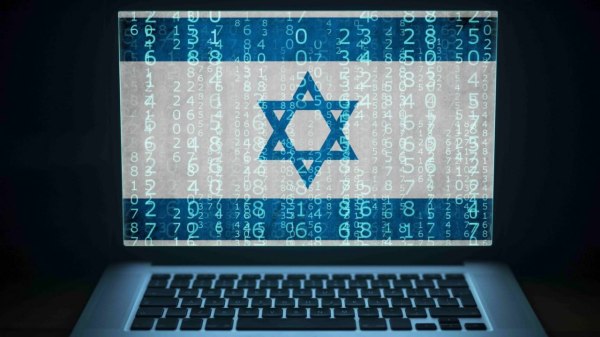
Researchers and digital rights advocates warned this week of an expanding, state-backed effort to shape global narratives on Palestine, pointing to coordinated propaganda campaigns driven by Israel’s public diplomacy apparatus, according to a report from Middle East Eye. Speaking during a webinar hosted by the Global Alliance for Palestine, panelists described a sophisticated messaging ecosystem combining covert public relations operations, influencer networks, and tightly managed digital outreach in the wake of the genocide in Gaza.
On April 8, the newly announced ceasefire was violently broken by a wave of Israeli airstrikes across Lebanon.
In broad daylight and during rush hour, over a hundred bombs fell on densely populated residential areas and medical centers.
While the Israeli occupation claims to target “infrastructure”, the reality on the ground tells a different story: students interrupted by explosions, children fleeing destruction, and posts of missing people flooding the internet.
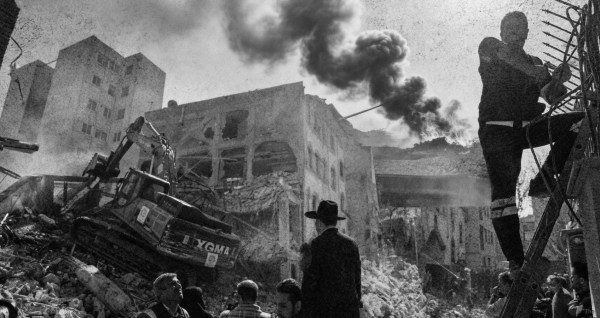
A historic synagogue in Tehran, originally built in 1958, was destroyed on the Jewish holiday of Passover by Israeli airstrikes on April 7th.
The Rafi-Nia Synagogue, located in central Tehran, was one of the longstanding institutions serving Iran’s Jewish community. Constructed in 1958, it stood as both a place of worship and a symbol of the deep historical roots of Judaism in Iran, which stretch back more than two millennia.
Pepe Escobar discusses the breaking developments emerging from the wreckage of the Iran war, including Iran’s bombshell strikes on Saudi Arabia causing a massive fallout for global oil, Trump fuming over Iranian moves on the Strait of Hormuz, and the ongoing desperation of Israel to keep a losing war going. Pepe Escobar is a geopolitical analyst and independent journalist. Follow him at Telegram: https://t.me/rocknrollgeopolitics and X: https://x.com/RealPepeEscobar
“I don’t know if they expected the violation to be so ugly and disgusting and barbaric and so swift, but the expectation was that this ceasefire would not hold,” Professor Marandi told Al Mayadeen.
“And the expectation was that the Zionist regime and Netanyahu would do whatever they can in order to make sure that the region remains in conflict,” he added.
Seyed Marandi said that he believes that we are going to have an escalation, pointing out that Iran has shut the Strait of Hormuz completely.
“Less ships today [April 8] have passed through the Strait of Hormuz than any other day in the past month,” he said.
“A ceasefire is a ceasefire; either we have a ceasefire or we don’t have a ceasefire,” Seyed Marandi tersely stated.
The media narrative frames the war through the language of objectives and outcomes, masking how imperial violence is normalized and depoliticized. A reconstruction of the facts reveals a deeper reality: sanctions, covert operations, chokepoint control, and historical intervention form the material architecture of this conflict. What emerges is not policy failure but a system in crisis—an empire that can still destroy with precision but cannot reliably impose political submission. The task now shifts from analysis to organization, as scattered resistance must be consolidated into a force capable of raising the cost of empire beyond what it can sustain.
Scott Ritter and Larry Johnson react to Iran’s massive response to Israeli and US ceasefire violations, and what it means for the ongoing war. Scott Ritter is a former UN weapons inspector and Marine Corps Intelligence officer. Larry Johnson is a former CIA analyst. You can support their work below:
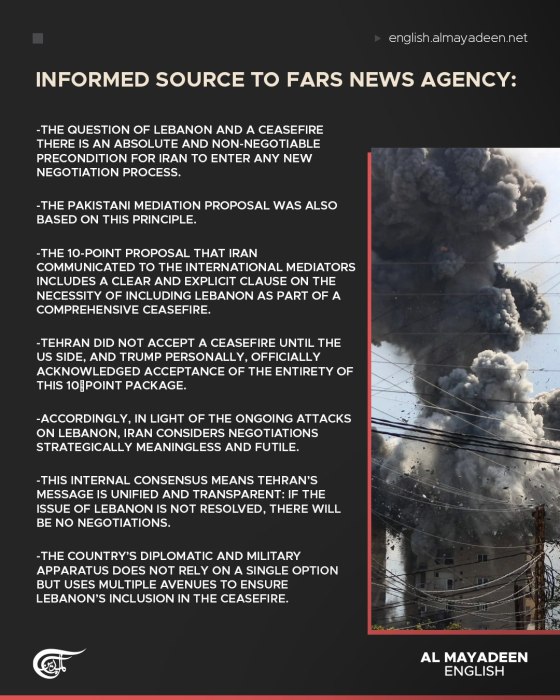
Fars News Agency reported, citing informed sources, that the question of Lebanon and a ceasefire in the country is “an absolute and non-negotiable precondition for Iran to enter any new negotiation process.”
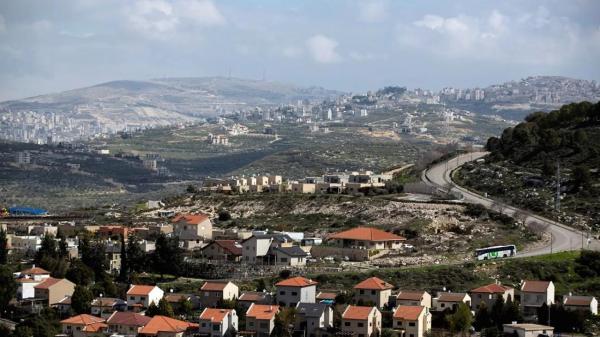
Israel’s security cabinet has approved, in secret, the construction of 34 new settlements in the occupied West Bank during the US-Israeli war on Iran, according to i24 News and other Israeli media reports.
The blockade in Cuba — explains journalist and researcher Rosa Miriam Elizalde — is not only economic and commercial, but also technological and communicative. The island faces a brutal and unequal information war that is part of the regime change attempts promoted from Washington, Miami, and Madrid.
While We Prepare for Court, Government Prepares Gene-edited Dandelions
We know things may have seemed quiet, but we’ve been very busy behind the scenes preparing for our case.
We’ve now completed the second evidence stage of our judicial review. We’ve submitted additional witness statements and supporting material – over 800 pages in total – responding further to the Government’s case. It’s a substantial body of evidence, reflecting both the depth and breadth of concern around these regulations.
The US-Israeli war on Iran has turned the Strait of Hormuz into a choke point for the world economy, with the gravest consequences falling not on the powerful but on the poorer nations of the Global South.
The fragile ceasefire between the United States and Iran has temporarily reduced tensions around the Strait of Hormuz, but the crisis itself has exposed the limits of coercive pressure and strengthened Tehran’s strategic position.
What was presented in Washington and Tel Aviv in late February 2026 as a “limited operation” to destroy Iran’s nuclear infrastructure had, by early April, turned into a full-blown regional catastrophe.
Margaret Kimberley, BAR Executive Editor and Senior Columnist
The U.S. has been temporarily rattled in its regime change effort against Iran. Iranian resistance, hubris on the part of the U.S., and Donald Trump’s personal instability combined to undo a twisted fantasy of conquest.
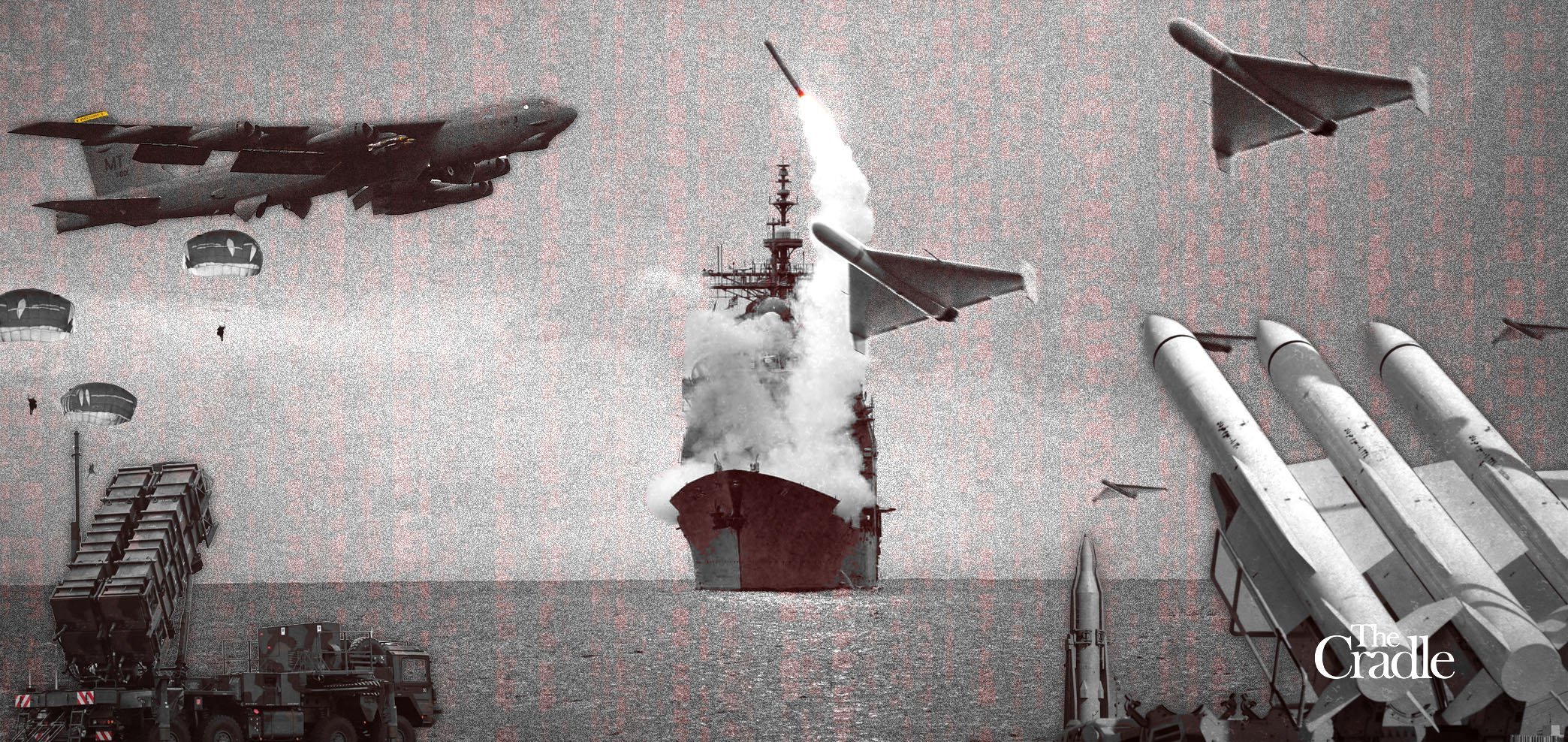 Photo Credit: The Cradle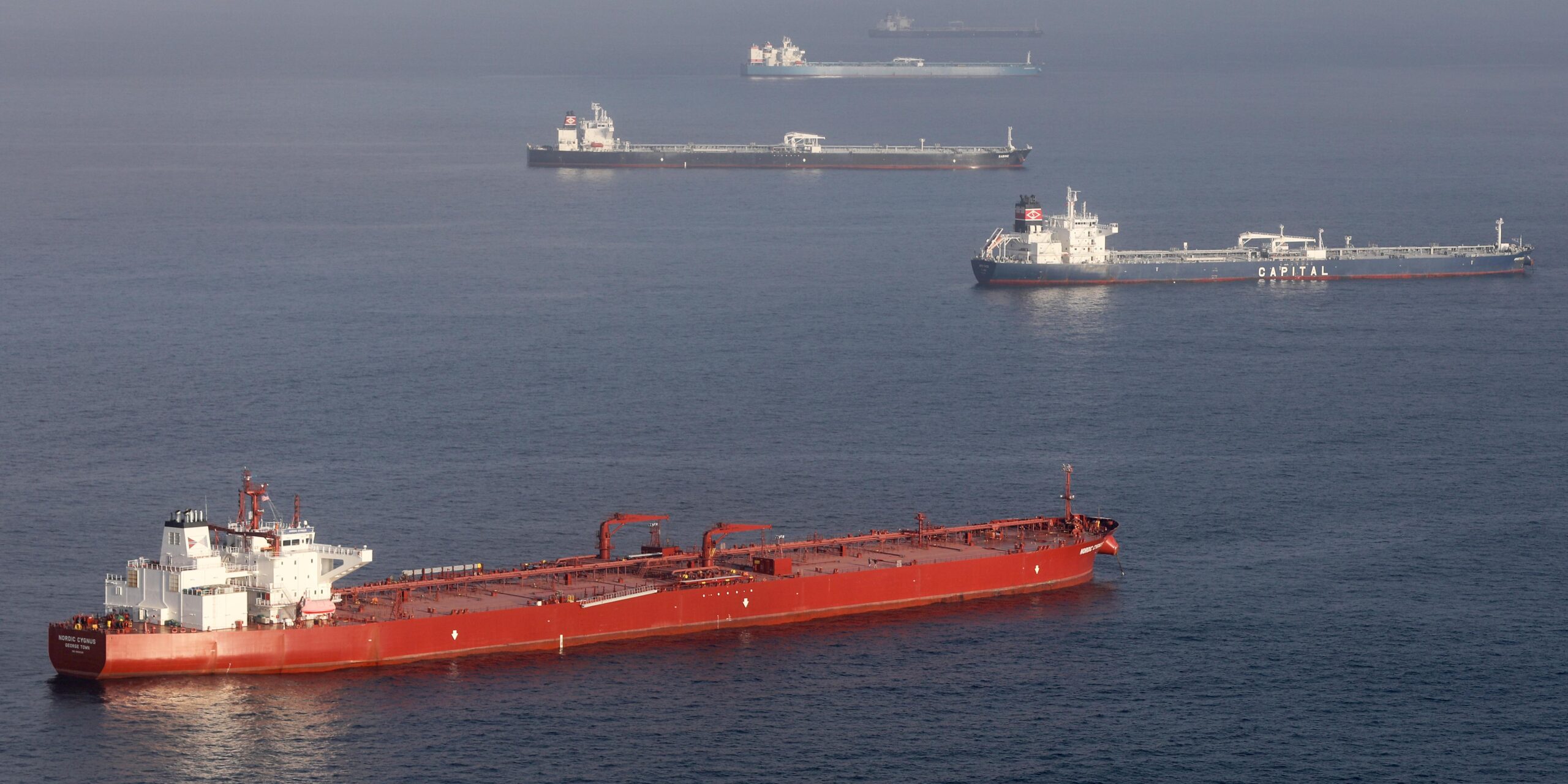

 Lateefa bint Maktoum (UAE), The Last Look, 2009.


 The New Dark Age