Sunday, 4 September 2022 — Strategic Culture Foundation
Declan Hayes
“Though the Russians might look like Europeans, they are, you see, not quite human, not quite kosher, not quite like us.”
Though the news that Clown Prince Zelensky, Ukraine’s contemptible puppet President, is renting one of his Italian villas out to Russians for €50,000 per calendar month would lead to protests if his junta had not banned all such protests on pain of death, this further evidence of his corruption flies in the face of the rampant Russophobia all of Western Europe’s opinion makers have signed up to. Although I previously wrote about this Russophobia in the context of Russian children’s stories and the Ukrainian junta’s book burning policies, none of that could prepare either you or me for what now follows, for what resembles a German Jew watching Kristallnacht unfold one shattered window and one shattered life at a time.

 BP directors meet in London, 1960. (Photo: Central Press / Getty)
 For the past month, there have been bitter political disputes in Iraq that have divided and polarized different communities, making it impossible to elect representatives to the country’s highest bodies. These divisions have deeply engrained themselves into the different strata of the society through social media, creating disputes and barriers not only between communities but also between ordinary Iraqis, preventing them from achieving social cohesion, partnership in governance, and socioeconomic integration. As a result, Iraqis experience high levels of hopelessness and frustration with their state. The current Iraqi government has little chance of addressing the current challenges and problems. The low voter turnout in the last Iraqi elections in October 2021, especially among the younger population, is a clear indication that people no longer trust the current state institutions and political parties.


 George Bahgoury (Egypt), Untitled, 2015.
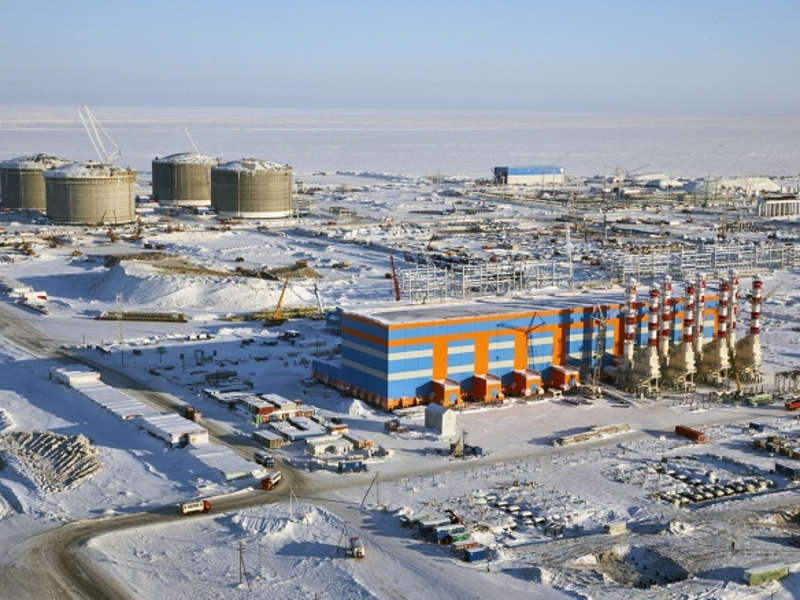 Yamal LNG Project in Siberia, Russia (File photo)


