Afshin Pirhashemi (Iran), Untitled, 2017.
Dear friends,
Greetings from the desk of Tricontinental: Institute for Social Research.
We live in dishonest times, where certainties have crumbled, and malevolence stalks the landscape. There is Gaza, of course. Gaza above all else is on our minds. Over 33,000 Palestinians have been killed by Israel since 7 October, with more than 7,000 people missing (5,000 of them children). The Israeli government has brutally disregarded the global public opinion mounted against them. Billions of people are outraged by the stark fact of their violence and yet we are unable to force a ceasefire from an army that has decided to raze an entire people. Global North governments speak from two sides of their mouths: clichéd phrases of concern to ameliorate their own disheartened populations, and then vetoes at the United Nations and arms transfers to the Israeli army. It is this two-faced behaviour that bolsters the confidence of people like Israeli Prime Minister Benjamin Netanyahu and enables their impunity.
(more…)



 Vanessa Beeley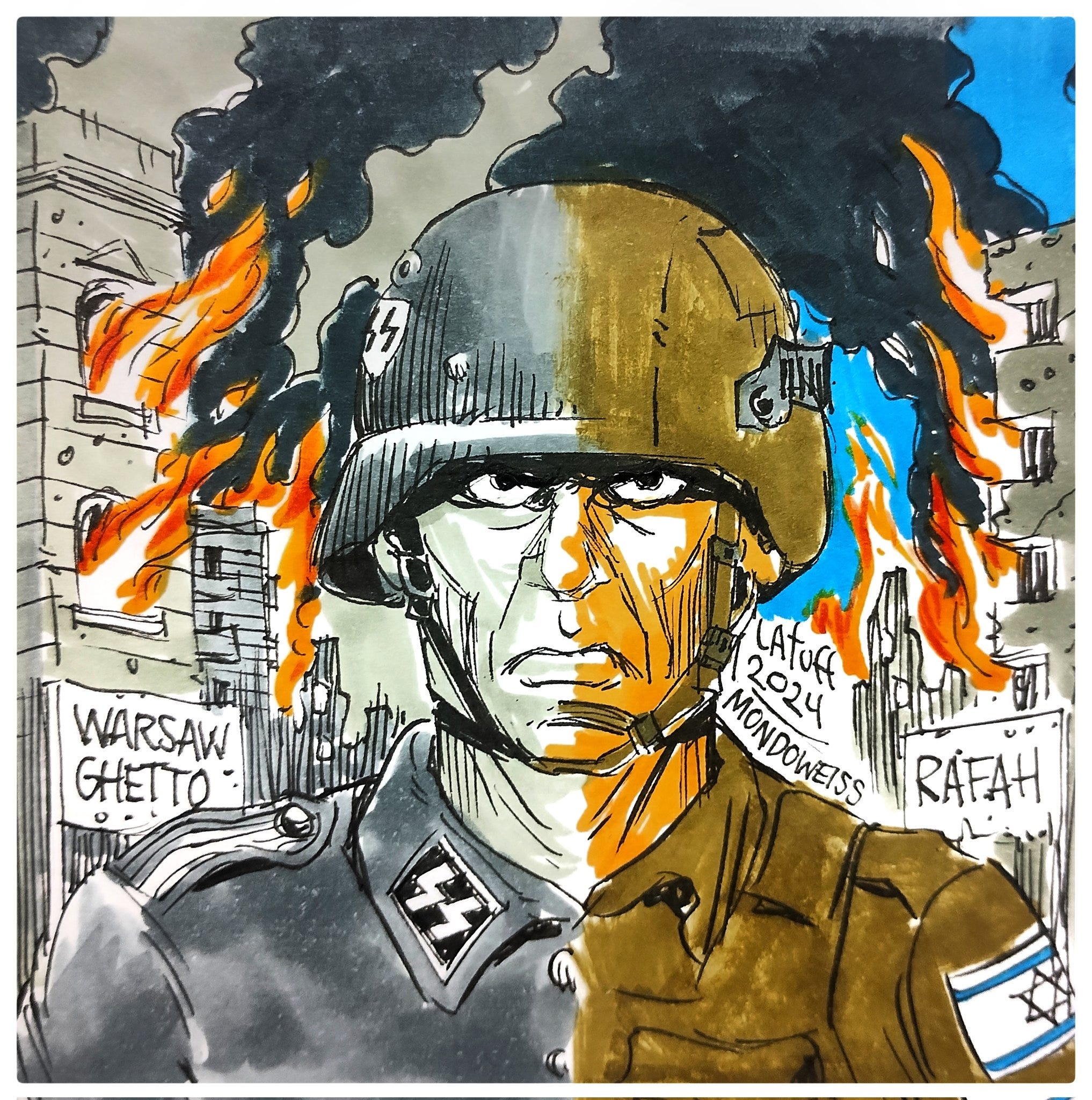

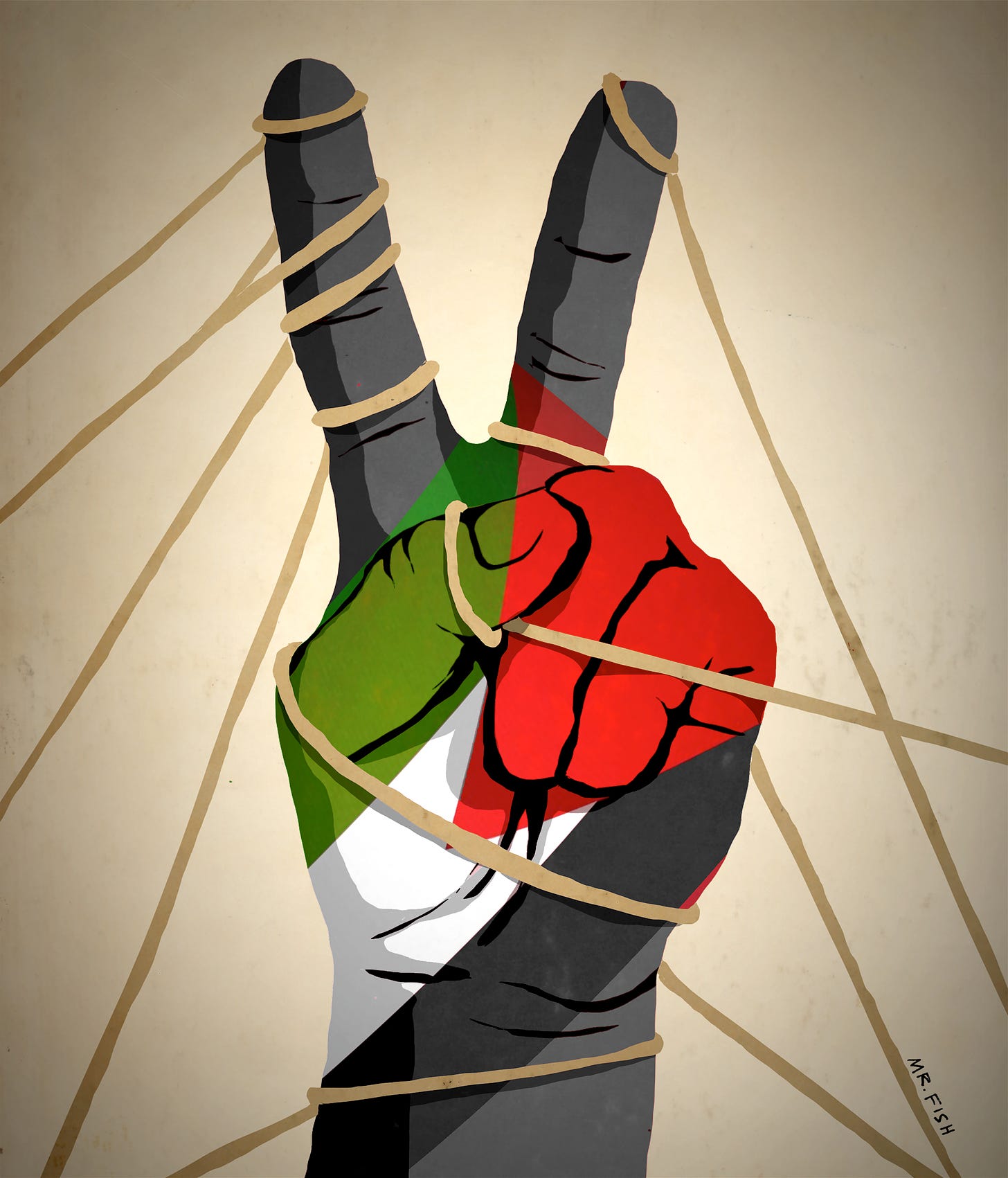 Staying Power – by Mr. Fish

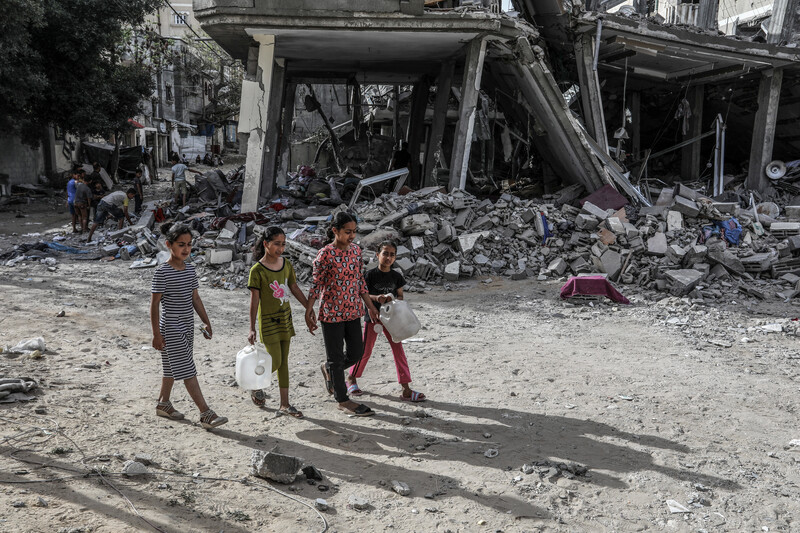 Israel is subjecting Rafah to airstrikes.


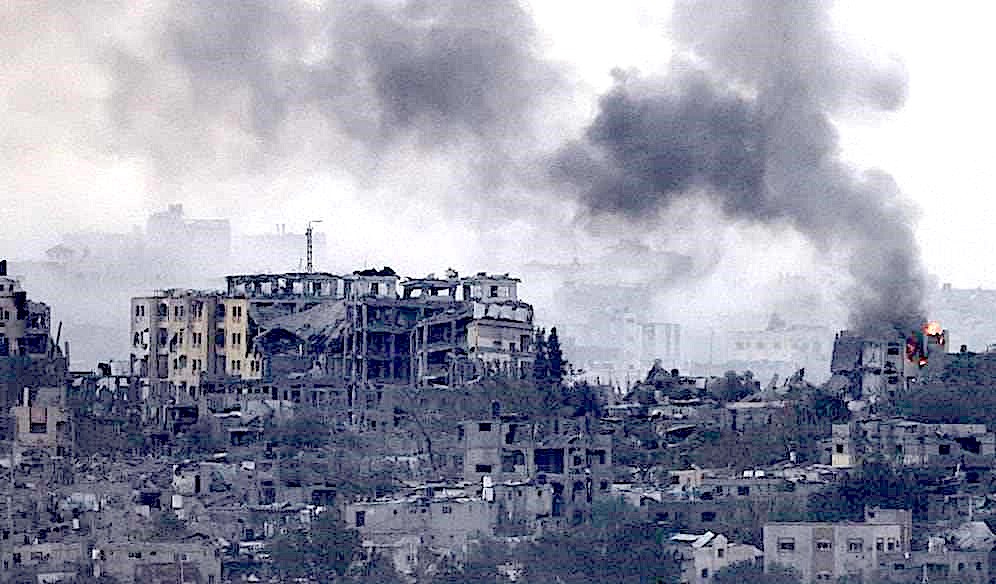 Damaged buildings in Gaza, Dec. 6, 2023. (Tasnim News Agency, Wikimedia Commons, CC BY-SA 4.0)
 Since 1948, Israel has invoked the Holocaust to justify the forced expulsion of Arabs from Palestine to create a Jewish state, but the systematic blueprint for ethnic cleansing was being drawn up years earlier by a Zionist zealot named Yosef Weitz.